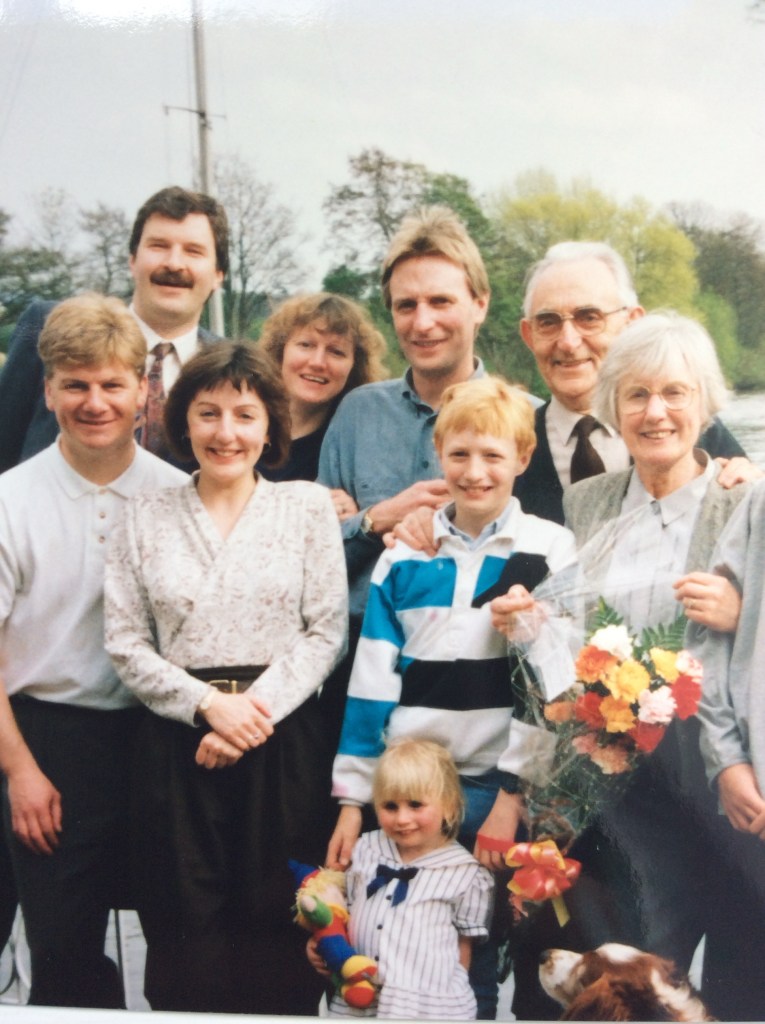
My dad died a few weeks ago, just short of his 71st birthday. He spent a fortnight in Kingston Hospital, his family by his side. His deterioration was fast, a shock. The last few days were tough.
We are lucky he died in Kingston. Austerity doesn’t seem to have impacted this wealthy, leafy corner of south west London as much as it has in other areas – funny that.
My mum’s many sisters, down from the midlands to say goodbye, were shocked by the vast quantities of doctors and nurses on hand to help. Such riches! The care was magnificent, with plenty of honesty, compassion, and kindness.
During the vigil, and especially during the long sleepless nights, it felt like a farewell to more than just my dad. In a private side room, I listened to the wails of a dementia patient and reflected there probably won’t still be free healthcare if I’m lucky enough to make it to his age, especially if Wes Streeting has anything to do with it.
With today’s election a choice between two parties offering minor variations on continuity Thatcherism, I find it difficult not to consider my dad’s story as part of the wider collapse of postwar settlement. And the NHS as one last, fading symbol of those few decades when non-wealthy people were treated with a degree of dignity and respect.

My Irish grandparents moved over in 1960, and lived in a rented flat by the railway in Vauxhall until they saved enough money to buy a house in New Malden, a move a few stops down the line my grandma always likened to “moving to the country”[1].
My Grandad, after a near-fatal time working in forestry management in Wales, found a job for life with British Rail. My grandma also worked – unusual at the time, and the reason my Dad has a mere four siblings compared to my mum’s seven.
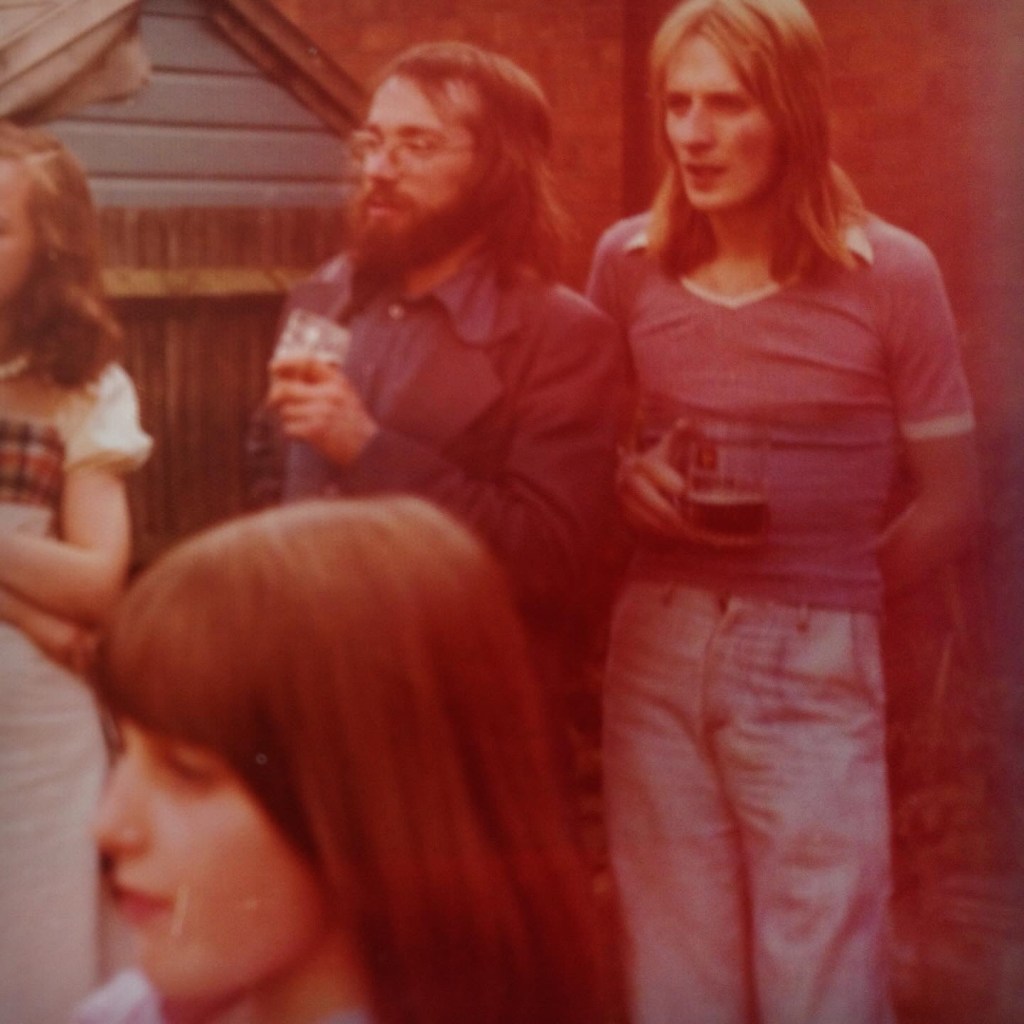
My dad was able to rent cheaply, and then buy a house near his family, with all the social and community benefits that that entails and feels weird to even have to mention.
He enjoyed free education, and cheap beer. He and his cohort never felt constrained by his migrant beginnings. His mate Trev, for example, studied law, as a mature student – after being released from prison.
I don’t want to sugarcoat the postwar social democratic era, with its racism, strict gender roles, homophobia, class snobbery, colonial wars, and terrible food.
But there was a consensus politics that seems unimaginable now: union representation, rising living standards, universal education, low unemployment, publicly owned transport, housing and healthcare, and a democratisation of the arts and professions.
Oh, and the concept of retirement.
There was, at least until the eighties, a sense that things were getting better, and getting fairer. And that progress meant things like imagining a better future, one beyond slum landlords, futile and humiliating work, and three white racists hoarding more wealth than the rest of the world put together.
I’m not a pessimist by character. But the next few decades are not going to be easy. In a world where the choice is fascism or barbarism, with many on the centre historically happier with the former, we have a fight on our hands.
What do we have to do? Well.
It means stuff beyond noticing there’s an election every few years. It means community activism, organising, protest – and coming together in these increasingly atomised times.
Mark Fisher once wrote that it was easier to imagine the end of the world than the end of capitalism. In an era of climate breakdown, we need to imagine harder than ever.
My dad was “Labour til I fucking die”. He’s dead, and so are Labour. We need to find new ways of pushing for change.

[1] In fairness, I can see how it felt like that back in the late sixties. Vauxhall was dirty, smoky, and factory-heavy. Suburbia will have felt like Eden by comparison.
 jamesofwalsh
Leave a comment